October in my vegetable garden is defined by one thing: preparing for abundance. The cool season is beginning. Temperatures are dropping. Monsoon is ending. It’s the moment to act decisively because the window between now and December determines what I’ll grow through winter. I’ve learned that October isn’t a month to experiment or delay. It’s a month to commit to preparation. Soil preparation this month determines soil quality through the growing season. Seed timing in October determines what’s ready to plant by November. Container setup in October determines whether I have space for everything I want to grow. Understanding October’s role as the foundation month—the decisive moment before the abundant months—changed how I approach the entire growing calendar.
October is the month that separates prepared gardeners from scrambling gardeners. Those who use October strategically have containers ready, soil prepared, seeds sown, and seedlings growing by November. Those who delay until November find themselves rushing, substituting available seeds for preferred varieties, compromising soil quality, and managing shortages of containers. October preparation is the single biggest advantage you can give yourself for a successful winter growing season.
Soil Preparation: Your October Foundation
This is the month to prepare soil for the entire season. If you’re using fresh soil from bags, October is when you order or buy it. If you’re amending existing soil with compost, October is when you add that compost and let it integrate. If you’re making your own potting soil, October is the month to gather materials and blend them. Soil prepared now will be ready for planting by November.
I use a simple approach: assess every container currently on my balcony. Those I want to reuse in winter, I empty and refill with fresh soil or significantly amended existing soil. Those containers that held summer crops, I clean thoroughly—remove old roots, wash the pot, let it dry. This is tedious work that’s easy to delay, but October is when I force myself to do it. By November first, every container I plan to use is ready with soil prepared.
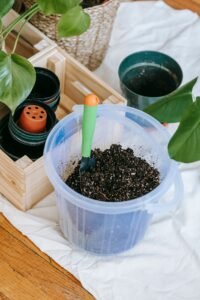
The quality of soil you prepare now affects everything: water drainage, nutrient availability, root health. It’s worth taking time in October to get it right rather than settling for mediocre soil because November is busy with planting.
Seed Starting: October Is Your Deadline
Tomatoes and peppers sown in late September or early October are the right timing. These seeds take 6-8 weeks to become transplant-ready seedlings. Sown in October, seedlings are ready by mid-November, perfect for planting into containers at the start of the season. Delay sowing until November and your seedlings aren’t ready until December—too late for optimal winter production.
This month, I start seeds for tomatoes, peppers, and any other crops I want to grow from seed. I sow in small containers, place them in a warm, bright location, and commit to consistent care through germination and seedling growth. It’s a 6-8 week commitment starting right now if I want plants ready when the season is optimal.
Leafy greens and root vegetables can be direct-sown in November, so seed starting isn’t necessary. But if I want to start those from seeds indoors to get a headstart, October is the time to do it.
Container Inventory and Repair
Walk through your growing space and assess containers. Which ones do you plan to use this season? Which are broken, cracked, or no longer suitable? October is the month to decide. Repair broken containers, clean dirty ones, and organize them in the space you’ll use. Replace damaged pots before you need them for planting.
I also use October to ensure I have adequate drainage holes in every container. If a pot doesn’t have drainage, October is when I drill holes or decide to replace it. Making these decisions now prevents November scrambling when you’re ready to plant but containers aren’t ready.
Balcony Space Planning
Where will you grow? How many containers will your space accommodate? October is the month to plan this deliberately. I use October to move summer furniture off my balcony, clear away debris from monsoon, and visualize where containers will go during winter. This planning prevents discovering in November that I have more plants to grow than space for containers.
I use simple steps: remove summer items, clean the balcony thoroughly, sketch where containers will sit, ensure light patterns match where plants need to be. Winter light is different from summer light—what was too shaded in summer might be perfect in winter. Understanding your specific balcony’s winter light is October work.
Supplies and Tools: October Shopping
Fertilizer, seeds, soil, pots, stakes, trellises—if you need anything for the season, October is when you source it. Waiting until November means some items might be out of stock. Popular seed varieties sell out. Soil suppliers get overwhelmed with orders. Tools and supplies become scarce.
I make a list in early October: seeds I want to grow, soil I’ll need, any new containers, fertilizers I’ll use, stakes or trellises for climbing crops. I source everything by mid-October. This prevents November stress of hunting for unavailable items.
Knowledge and Planning: October Learning
If there are techniques you want to master for winter growing, October is the month to learn them. Want to start seeds indoors? October is when you learn proper technique so you’re ready to start seeds now. Want to succession-plant for continuous harvest? October is when you understand the timing and plan plantings. Want to trellis tomatoes or train peppers? October is when you learn those skills before you need them.
I use October to review what worked last winter and what didn’t. Did certain varieties produce well? Did some fail? What timing was optimal? What would I change? This review informs decisions about what to grow this year and how to time plantings for success.
Clearing Away Summer Growth
Most likely, containers that held summer crops still have plants in them. Even if they’re not producing, they’re occupying space. October is when I remove summer crops, clean containers, and clear the space. This is physically work-intensive—removing plants, disposing of soil or composting it, washing pots, drying them. I spread this work across October rather than trying to do it all at once.
Monsoon often leaves debris: fallen leaves, dirt, maybe disease spores from the wet months. October cleaning removes this. A clean, organized space is where winter success begins.
Making October Decisions Count
October gives you one month to prepare for six months of growing. Skipping this month means November starts behind schedule. Seeds aren’t sown. Soil isn’t prepared. Containers aren’t ready. Space isn’t organized. You spend November fixing what should have been done in October, and your season never catches up.
I treat October as sacred time: gardening planning, preparation, and decision-making time. Not planting yet (that comes November), but getting everything ready so November planting happens smoothly. Every hour invested in October preparation saves multiple hours of scrambling in November.
What October has taught me: Success in container gardening isn’t evenly distributed through the year. Some months are critical. October is the most critical. This single month determines whether winter is a season of abundance or scrambling. Gardeners who understand and respect October’s role are the ones who succeed. Those who treat it like any other month struggle all season. October isn’t the month you see visible growth. It’s the foundation month where invisible preparation determines visible results in the months that follow.
Learn more about seed starting timing and soil preparation techniques to maximize your October preparation.