One afternoon in May, I noticed my pepper plant leaves were curling. Not wilting—the soil was moist—but the leaves were curling inward, almost like the plant was protecting itself. I assumed heat stress. I moved the plant to afternoon shade. The curling didn’t improve. I checked for pests—nothing visible. I adjusted watering—made no difference. Then I realized the problem: I’d been fertilizing heavily during the heat, pushing nitrogen into a stressed plant. The plant wasn’t dying; it was responding to nutrient imbalance under stress. Once I stopped fertilizing and waited for cooler weather, the curling resolved. That experience taught me that leaf curling is never just one thing. The cause depends entirely on context: temperature, moisture, nutrients, and the plant’s overall condition. Understanding leaf curling means diagnosing the actual cause rather than assuming the obvious one.
Leaf curling is your plant’s way of responding to stress or environmental challenge. The type of curling, which leaves curl first, and what other symptoms accompany it tell you exactly what’s wrong if you know what to look for. Never assume leaf curling is one universal problem—diagnose it specifically.
Heat Stress Leaf Curling: Inward Curl, Sudden Onset
In extreme heat, leaves curl inward as a defense mechanism. The plant is essentially folding leaves to reduce surface area and minimize water loss. The curling starts suddenly—one day leaves are normal, the next day they’re curled. Typically, curling is on the entire plant, not just specific leaves. The plant looks wilted and stressed. Soil is dry or the plant simply can’t take up water fast enough to keep up with evaporation.
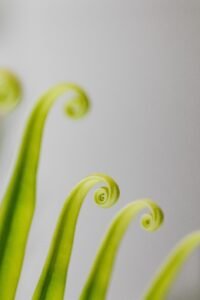
Heat-stress curling happens in May through June in Hyderabad when temperatures exceed 35-38°C. The solution is immediate cooling: move the plant to afternoon shade, increase watering frequency (sometimes twice daily), and maintain consistent moisture. Misting foliage occasionally helps. Mulching soil helps moderate temperature. Once temperatures moderate or you move the plant to shade, curling usually resolves within days.
Underwatering Leaf Curling: Dry Soil, Progressive
When soil dries out, leaves curl to conserve water. This curling develops gradually—first slight curling, then progressively tighter as soil gets drier. The soil feels dry to touch. The plant looks stressed and weak. Unlike heat-stress curling which is sudden, underwatering curling develops over days as soil gradually dries.
The solution is straightforward: water thoroughly. Water until soil is moist throughout and water drains from drainage holes. Wait a day and the plant usually recovers significantly. Leaves that already curved don’t un-curve, but new growth comes in healthy. This type of curling is extremely common in containers because pots dry faster than ground soil, and sometimes watering frequency lags behind evaporation rate.
Overwatering Leaf Curling: Soft Stems, Root Rot Smell
Paradoxically, overwatering also causes leaf curling. When soil is constantly waterlogged, roots rot and can’t absorb water or nutrients. The plant becomes stressed despite excess water. Leaves curl, but unlike underwatering, the soil is wet not dry. Stems might feel soft or mushy. There might be a bad smell from rotting roots. The plant looks weak and generally unhealthy.
The solution is urgent: stop watering, improve drainage, possibly repot into fresh dry soil. This is one of the most serious curling scenarios because root rot can kill plants quickly if not addressed. Check drainage holes are clear. Ensure soil drains properly. Don’t water again until the top inch of soil is completely dry.
Nutrient Deficiency Leaf Curling: Specific Leaf Pattern
Certain nutrient deficiencies cause leaf curling as one symptom among others. Magnesium deficiency often shows as interveinal yellowing alongside leaf curling or puckering. Calcium deficiency can cause upward curling of young leaves (it’s also related to blossom end rot in tomatoes). Zinc deficiency might show as curled leaves combined with other symptoms.
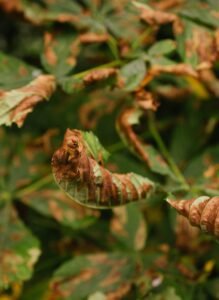
These nutritional curlings are accompanied by other visible signs: yellowing patterns, unusual leaf size or texture, or stunted growth. Curling from nutrient issues develops gradually and typically affects new growth before old growth. The solution depends on which nutrient: apply magnesium sulfate for magnesium, provide balanced fertilizer for general deficiency, or add specific micronutrients based on which deficiency you’ve diagnosed.
Pest-Induced Leaf Curling: Insects Visible, Distorted Leaves
Some pests cause leaf curling as they feed. Spider mites are common culprits—they feed on leaves, causing stippling, yellowing, and curling. Aphids sometimes cause leaf curling or distortion. The difference from other curling causes: you can usually see the pests if you inspect carefully. Spider mites appear as tiny dots on the underside of leaves. Aphids are visible insects. The leaves might also show webbing (spider mites) or sticky residue (aphids).
The solution is pest control: spray insecticidal soap for aphids, spray water forcefully to remove spider mites, or use neem oil if populations are heavy. Regular inspection catches pests early when they’re easiest to control.
Disease-Related Leaf Curling: Spots or Unusual Appearance
Some fungal and bacterial diseases cause leaf curling or distortion. Viral infections specifically sometimes cause mosaic patterns and leaf curling together. These disease-related curlings usually show additional symptoms: spots, discoloration, unusual texture, or signs of infection. The curling is less about the leaf protecting itself and more about tissue damage from disease.
The solution depends on the specific disease but usually involves removing affected leaves, improving air circulation, ensuring good drainage, and sometimes applying fungicide for fungal diseases. Viral diseases have no cure; severely infected plants often need to be removed entirely.
Cold Stress Leaf Curling: Winter Chill, Slow Development
In winter (rare in Hyderabad but possible in northern India), cold temperatures cause leaf curling or purpling as a cold-stress response. The plant essentially “freezes” growth. The curling develops gradually in cold and reverses as temperatures warm. This is less common in central India but can happen to tender plants if exposed to unusual cold.
The solution is moving the plant to a warmer location or waiting for temperatures to moderate. Cold-stressed plants usually recover once warmth returns, though the curled leaves might not un-curl—new growth that emerges in warmer weather comes in healthy.
Diagnostic Process for Leaf Curling
When you see leaf curling, ask systematically: Is the soil wet, dry, or appropriately moist? Are there other symptoms—yellowing, spots, weak stems, visible pests? Is the curling on the entire plant or specific leaves or areas? Did it develop suddenly or gradually? When did it start relative to recent temperature changes or weather patterns?
Answer these questions and the cause becomes obvious. Sudden curling in heat with dry soil suggests heat stress. Gradual curling with dry soil suggests underwatering. Wet soil with soft stems suggests overwatering. Curling with yellowing leaves suggests nutrient issues. Curling with visible insects suggests pests. Curling with spots or discoloration suggests disease.
Recovery From Leaf Curling
Once you’ve identified and addressed the cause, recovery varies. Heat-stressed plants recover within days of cooling. Underwatered plants recover within a day of watering. Overwatered plants take longer—sometimes weeks if root damage is severe. Nutrient deficiencies resolve weeks after providing the missing nutrient. Pest-infested plants recover as pests are eliminated. Disease-affected plants recover if caught early, or succumb if infection is advanced.
The key is addressing the cause, not the symptom. Treating leaf curling as a mystery and guessing at solutions wastes time. Diagnosing it specifically and addressing the actual problem fixes the plant.
What leaf curling has taught me: Symptoms in plants are messages about what’s wrong. Leaf curling is never mysterious once you understand that it’s the plant’s response to specific stress. Heat, water imbalance, nutrients, pests, disease—each causes different patterns of curling. Rather than treating curling as one universal problem, diagnosing it specifically and addressing the actual cause means the plant recovers rather than continuing to struggle. Most leaf-curling problems are reversible if caught early and diagnosed correctly.
Learn more about leaf yellowing diagnosis and heat stress management for comprehensive plant health understanding.